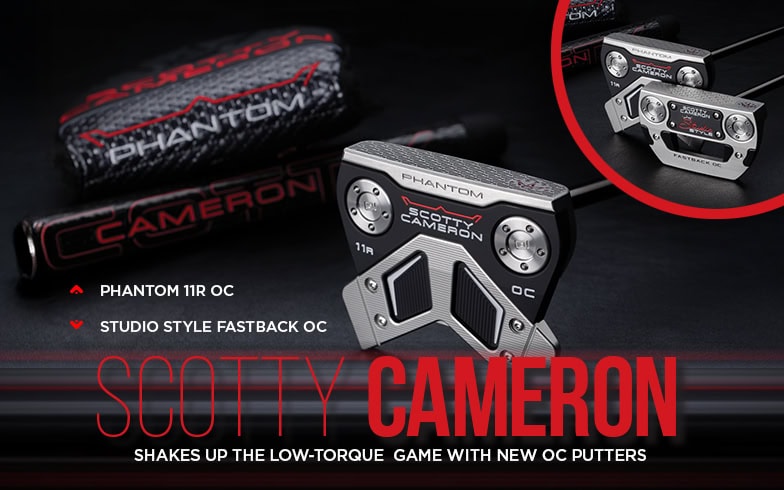
SCOTTY CAMERON ZERO TORQUE
Shakes Up the Low-Torque Game with New OC Putters
The Carlsbad wizard introduces Onset Centre technology to his Phantom and Studio Style families—and it might just change how you think about face rotation
The Low-Torque Paradox
Here’s the problem Cameron set out to solve: low-torque putters work. They really do. By minimizing the head’s tendency to rotate during the stroke, they help golfers maintain a square face through impact. But as Austie Rollinson, Cameron’s Senior Director of Putter R&D, candidly admits, most designs achieve this stability by essentially deadening the head. You get consistency, sure, but you lose that crucial feedback that tells you where you’ve struck the ball on the face.
“Low-torque putters often come at the cost of feel,” Rollinson explains, and anyone who’s hit a few of the category’s offerings knows exactly what he means. There’s a mushiness to many centre-shaft designs, a disconnect that makes it harder to develop touch around the greens.
The OC approach tackles this differently. Rather than simply plunking the shaft in the middle and calling it a day, Cameron’s team worked backward from tour player preferences to maintain the sensory connection while achieving the anti-rotation benefits. It’s a subtle but significant distinction—one that becomes apparent the moment you take these flatsticks to the practice green.
Design Philosophy: Evolution, Not Revolution
The genius of the OC series lies in how Cameron has integrated low-torque performance without abandoning his core design principles. Both models feature the chain-link face milling pattern that’s become synonymous with premium feel in the Cameron lineup. On the Phantom 11R OC, this milling covers the entire face. The Fastback OC employs Cameron’s Studio Carbon Steel insert, also dressed with chain-link milling.
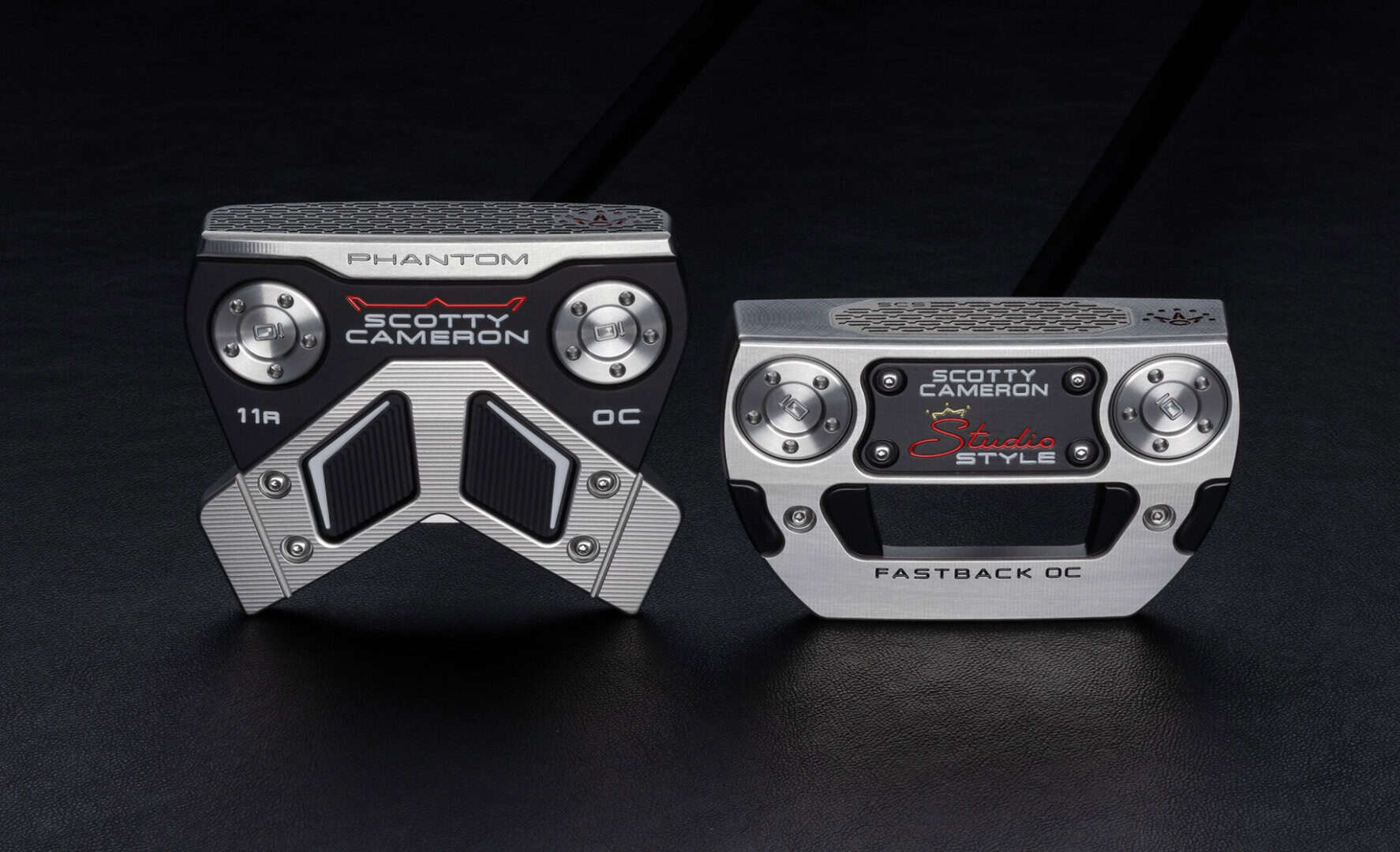
This attention to face technology matters more in a low-torque design than you might think. When you’re minimizing rotation, you’re also changing how the putter head responds at impact. The chain-link pattern helps preserve that soft-yet-responsive feel, providing enough feedback to identify where you’ve caught the ball without the harsh crack of some milled faces.
The shaft positioning deserves special attention here. Set back from the leading edge and perfectly aligned with the front-to-back centre of gravity, it creates a setup that naturally wants to stay square. But Cameron hasn’t gone extreme with the geometry—there’s just one degree of shaft lean, promoting a neutral hand position that should feel immediately familiar to accomplished players.
This minimal lean also delivers clean topline views at address, an often-overlooked benefit. Some centre-shaft designs can create visual confusion when you’re settling over the ball. The OC models maintain the clean, confidence-inspiring looks Cameron putters are known for.
The Models: Mallet Meets Mid-Mallet
Phantom 11R OC
Built on the proven Phantom 11 platform, the 11R variant brings softer, more rounded edges to the high-MOI mallet design. It’s a tour-inspired shape that splits the difference between aggressive geometry and timeless appeal. The full chain-link milled face delivers that distinctive Cameron sound—neither too loud nor too muted—while the single alignment line extends back to meet the shaft placement, creating a clean visual reference point.
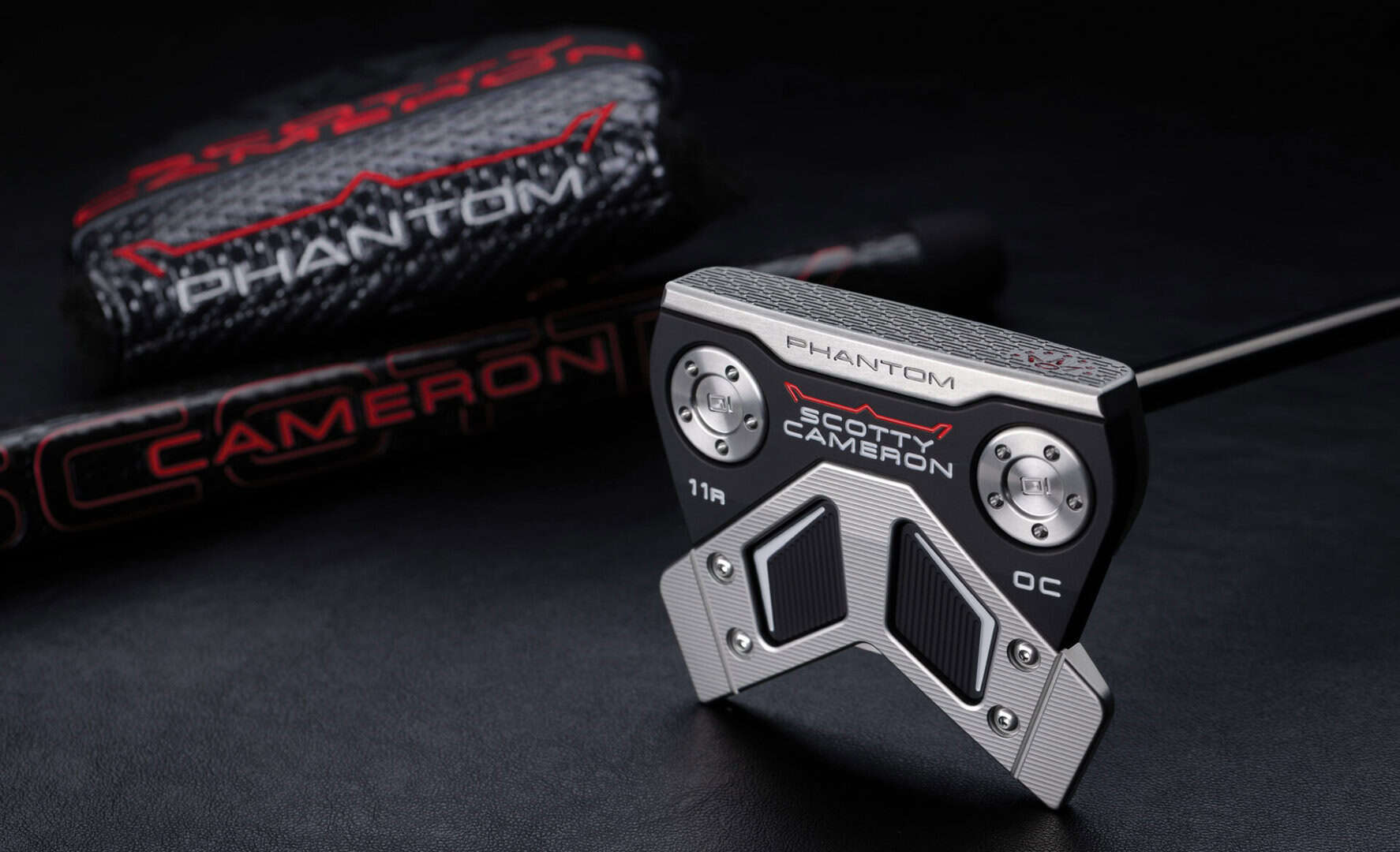
The multi-material construction combines stability with workability, a balance that’s increasingly rare in the mallet category. At 15 grams heavier than standard Cameron models (matched by a custom black shaft with flex properties designed to accommodate the extra mass), the 11R OC has substance without feeling cumbersome. Importantly, it’s available for left-handers, a demographic often ignored in specialty putter releases.
Studio Style Fastback OC
The Fastback OC represents Cameron’s mid-mallet interpretation of the OC concept. Sharing the footprint of the 2025 Fastback model, it’s a ring-weighted design that maximises perimeter weighting while maintaining a relatively compact profile. The 303 stainless steel and 6061 aircraft aluminium construction provides the structural foundation for the Studio Carbon Steel face insert.
What makes the Fastback compelling is how it bridges traditional blade sensibilities with modern stability demands. The high-contrast alignment makes it easy to aim, while the single sight line keeps things simple at address. It’s a putter that should appeal to players transitioning from smaller heads who want more forgiveness without going full mallet.
Tour Validation: The Elvis Effect
Product launches always come with claims of tour success, but the Elvis Smylie story is worth examining. The 23-year-old Australian switched to the Phantom 11R OC in October 2024 after working with Cameron’s DP World Tour specialist Henry Byrne, seeking additional stability in his stroke.
The results speak volumes: immediate wins in his first two events with the putter in play, including the BMW Australian PGA Championship, which earned him full DP World Tour status. Smylie now sits inside the top 20 in the Race to Dubai standings and is in contention for a PGA Tour card.
His comments about the putter reveal why the OC concept works: “It helps sit your hands in a really nice position.” That’s not marketing speak—it’s a player articulating how setup influences stroke mechanics. The centre shaft positioning creates a consistent reference point that helped him develop a more reliable release pattern.
The Customisation Advantage
One often-ignored aspect of putter fitting is how adjustments affect performance characteristics. Some low-torque designs lose their magic when you tweak loft or lie angles. Cameron’s engineers specifically addressed this, ensuring that OC putters maintain their anti-rotation properties even after customization.
That’s crucial for proper fitting. Available in 33, 34, and 35-inch lengths with 3.5 degrees of loft and a 70-degree lie angle as standard, these putters can be dialed in to your specifications without compromising the core benefits. It’s a level of fitting flexibility that demonstrates sophisticated engineering beneath the premium finish.
Who Should Consider OC?
The OC series isn’t for everyone, and that’s fine. Cameron already offers enough variety to accommodate most preferences. But certain player profiles should absolutely investigate these models:
Players struggling with face rotation through impact will find the shaft positioning creates an intuitive square feel. Those who’ve tried centre-shaft putters but found them lacking in feedback should experience a meaningful upgrade in sensory connection. Golfers seeking consistency on longer putts—where face control becomes critical—will appreciate how the OC setup simplifies path and face management.

Interestingly, Smylie’s transition from blade to mallet suggests the OC concept might also appeal to traditional players curious about modern stability without completely abandoning their preference for feedback and feel.
The Bottom Line
Scotty Cameron’s OC putters represent thoughtful evolution in the low-torque category. By refusing to sacrifice feel for stability, Cameron has created options that honor his commitment to touch and feedback while embracing the benefits of modern shaft positioning. The Phantom 11R OC and Studio Style Fastback OC prove you don’t have to choose between connection and consistency—you just need smart engineering and an obsessive attention to detail.
At a time when many manufacturers are chasing the next radical concept, Cameron’s approach feels refreshingly mature: listen to tour feedback, identify the genuine problem, and solve it without creating new ones. The result is a pair of putters that expand rather than complicate his lineup, giving golfers real options within proven families.
Whether these become your gamer depends on your stroke and preferences, but they deserve serious consideration if you’ve been searching for low-torque performance with premium feel. After all, in a game where confidence matters as much as mechanics, finding a putter that feels right while performing consistently might be the ultimate competitive advantage.

